

Top things to do on Tanzania safari holiday in Serengeti include migration viewing, balloon rides, big cat tracking, walking safaris, and staying in mobile camps.
Experience the full range of wildlife, movement, and seasonal drama with these best things to do on a Tanzania safari holiday in Serengeti. This vast ecosystem supports over 1.5 million wildebeest, thousands of predators, and diverse habitats that shift from open plains to riverine forests. Whether you’re tracking big cats in Seronera, watching river crossings in the north, or following calving herds in Ndutu, each region offers something distinct. Planning your Tanzania safari holiday around migration patterns and predator activity helps you get the most out of every game drive, walk, or balloon flight.
Beyond wildlife, Serengeti offers quiet rituals and immersive experiences that add depth to your stay. Sundowners in the bush, guided walking safaris, and birdwatching across over 500 species help fill your days with variety. Staying in mobile migration camps keeps you close to the action, while exploring kopjes and remote zones adds texture to your itinerary. Whether you’re traveling solo, with family, or on a romantic escape, these best things to do on a Tanzania safari holiday in Serengeti are designed to match your pace, interests, and budget. With the right timing and guidance, each day becomes a well-planned step into one of Africa’s most productive wildlife regions.
The Best Things to Do on Tanzania Safari Holiday in Serengeti
Witness the Great Migration
Watching the Great Migration is one of the most important things to do on a Tanzania safari holiday in Serengeti. Over 1.5 million wildebeest and hundreds of thousands of zebras move through the ecosystem in a predictable cycle. From July to October, river crossings in the north offer dramatic wildlife action, while February to March brings calving season in the southern Ndutu plains. Even outside these peak events, seeing part of the migration adds strong value to your Tanzania safari holiday. Guides track herd movements daily, so your location can be adjusted to match the best viewing areas.
Hot Air Balloon Safari at Dawn
A sunrise balloon ride is a peaceful way to start your Tanzania safari holiday in Serengeti. Floating above the plains gives you a wide view of the landscape and wildlife below. The flight lasts about an hour and ends with a bush breakfast and champagne toast. It’s a quiet, well-organized activity that suits couples, families, or solo travelers looking for a different perspective. Balloon safaris are available in central and northern Serengeti and must be booked in advance. Including this in your Tanzania safari holiday adds variety and a calm start to your day.
Track the Big Five and Big Cats
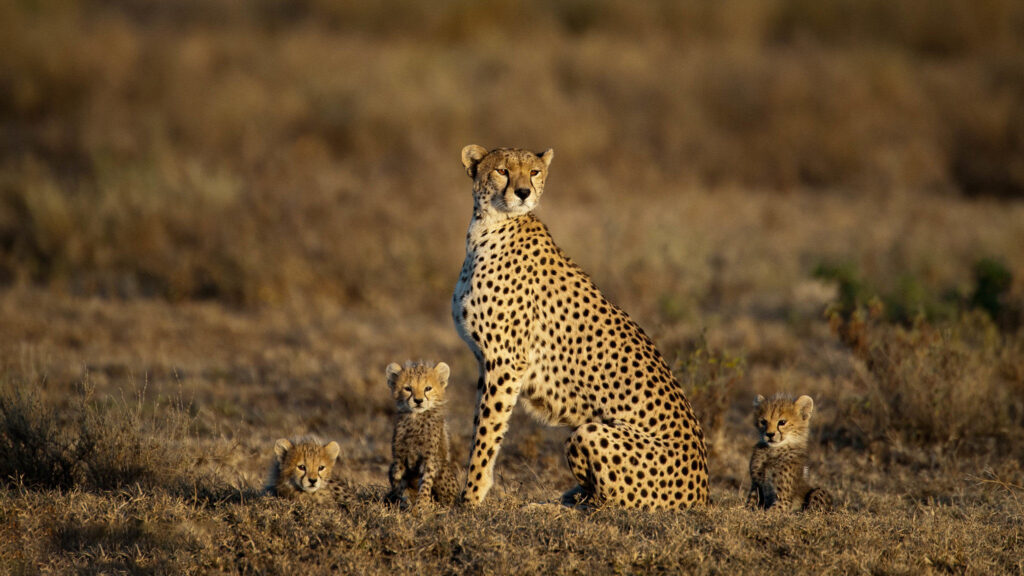
Tracking the Big Five and big cats is a core part of any Tanzania safari holiday in Serengeti. Lions, leopards, elephants, buffalo, and rhinos (rare) are all present, with big cats especially easy to spot. Seronera and Moru Kopjes are known for lion prides and leopard sightings. Cheetahs are often seen scanning the plains for prey. Guides use fresh tracks and known territories to improve your chances. Spending time on focused drives helps you understand animal behavior and movement. For wildlife-focused travelers, this is one of the most rewarding parts of a Tanzania safari holiday.
Explore the Different Serengeti Regions
Exploring multiple regions is key to a well-rounded Tanzania safari holiday in Serengeti. Each area offers different terrain and wildlife patterns. Ndutu’s southern plains are best for calving season, Seronera has year-round game viewing, the western corridor features river crossings and crocodiles, and the northern region offers rugged hills and Mara River crossings. Planning your route based on season and interest helps maximize sightings. Whether you’re staying in lodges or mobile camps, covering more ground adds depth to your Tanzania safari holiday and keeps each day fresh and productive.
Go on a Full-Day Game Drive
Full-day game drives allow you to cover more ground and follow wildlife movement across regions. On a Tanzania safari holiday in Serengeti, this means packing a picnic and heading out early to track predators, spot herds, and reach quieter areas. You’ll spend time in open plains, riverbanks, and kopjes, with breaks for meals and photos. Guides adjust routes based on sightings and weather. This format suits travelers who want to stay active and avoid crowds. Including full-day drives in your Tanzania safari holiday helps you see more and make the most of your time.
Discover the Kopjes
Kopjes are granite rock formations that rise from the plains and play a key role in Serengeti’s ecosystem. On a Tanzania safari holiday, visiting areas like Moru and Seronera Kopjes gives you a chance to see lions resting, hyraxes sunning, and even rare black rhinos. These rocks offer shade, shelter, and hunting grounds for predators. Guides often stop here during game drives to scan for wildlife and explain the terrain. Adding kopje visits to your Tanzania safari holiday brings variety and helps you understand how animals use different habitats.
Enjoy a Sundowner in the Bush
A sundowner is a relaxed end to your afternoon game drive and a popular part of any Tanzania safari holiday in Serengeti. Your guide will choose a quiet spot with a wide view often near a kopje or open plain where you can enjoy a drink as the sun sets. It’s a simple moment that adds calm and reflection to your day. Lodges and camps often include sundowners in their packages. Including this ritual in your Tanzania safari holiday helps balance the active hours with quiet time and strong visuals.
Take a Guided Walking Safari
Walking safaris are available in private concessions and wilderness zones around Serengeti. On a Tanzania safari holiday, this gives you a chance to leave the vehicle and focus on smaller details tracks, plants, and animal behavior. Walks are led by armed guides and follow strict safety rules. They’re usually short and suited for most fitness levels. This activity adds movement and variety to your Tanzania safari holiday and helps you connect with the environment in a different way. It’s ideal for travelers who want more than just game drives.
Birdwatching for Over 500 Species
Birdwatching is a strong addition to any Tanzania safari holiday in Serengeti. With over 500 species recorded, the park offers variety across habitats. On the plains, you’ll see ostriches, kori bustards, and secretary birds. In riverine forests, look for rollers, sunbirds, and birds of prey. Early mornings are best for spotting and photography. Guides can help identify calls and behavior. Whether you’re a casual observer or focused birder, adding birdwatching to your Tanzania safari holiday brings depth and helps fill quieter hours between game drives.
Stay at a Mobile Migration Camp
Mobile migration camps move seasonally to follow the herds, placing you close to the action. On a Tanzania safari holiday in Serengeti, staying in one means waking up near wildebeest and hearing wildlife at night. These camps are semi-permanent, with comfortable tents and basic amenities. They offer strong access to migration routes and reduce drive times. Booking early is important due to limited space. Including a mobile camp in your Tanzania safari holiday adds authenticity and keeps you aligned with wildlife movement throughout your stay.
Best time for Tanzania safari holiday in Serengeti
The best time for a Tanzania safari holiday in Serengeti depends on what you want to see. For general wildlife viewing and predator action, the dry season from June to October offers clear skies, minimal rain, and easier access to remote areas. During this period, animals gather around water sources, making sightings more predictable. Game drives are smoother, and the central Serengeti (Seronera) delivers consistent big cat activity. If your Tanzania safari holiday includes photography or long drives, dry season conditions help reduce travel delays and improve visibility across the plains.
For those focused on the Great Migration, timing is key. From July to October, the northern Serengeti hosts dramatic river crossings at the Mara River. From December to March, the southern plains near Ndutu become the stage for calving season, attracting predators and offering intense wildlife movement. These windows are ideal for travelers planning a Tanzania safari holiday around migration events. Lodges and mobile camps shift locations to match herd movement, so booking early helps secure the best access. Whether you prefer predator tracking, birdwatching, or migration viewing, aligning your visit with seasonal patterns ensures a productive and well-paced Tanzania safari holiday.
How to get to Serengeti for Tanzania safari holiday.
To reach Serengeti for a Tanzania safari holiday, most travelers fly into Kilimanjaro International Airport or Julius Nyerere International Airport in Dar es Salaam, then connect via a domestic flight to Seronera Airstrip or other regional airstrips within the park. Alternatively, you can drive from Arusha, which takes 6–8 hours depending on the gate used and road conditions. Many safari operators arrange private transfers, flights, and permits as part of their packages. Whether you choose air or road, getting to Serengeti is straightforward and well-supported, making it easy to begin your Tanzania safari holiday with minimal hassle.
Best tips for Tanzania safari holiday to Serengeti
Planning a Tanzania safari holiday to Serengeti works best when you align your travel dates with wildlife movement. If you’re targeting the Great Migration, choose your region carefully southern Serengeti (Ndutu) from December to March for calving, and northern Serengeti (Kogatende) from July to October for river crossings. Book migration camps early, as they fill fast during peak seasons. For general game viewing, central Serengeti (Seronera) offers reliable sightings year-round. Always confirm your lodge’s location relative to the wildlife you want to see. This helps avoid long drives and ensures your Tanzania safari holiday stays productive and well-paced.
Pack light but smart neutral clothing, a good camera, binoculars, and sun protection are essential. Choose lodges or camps that offer full-day game drives if you want to cover more ground. Guided walking safaris and balloon rides should be booked in advance, especially during busy months. If you’re combining Serengeti with other parks like Ngorongoro or Tarangire, plan transfers carefully to avoid fatigue. Use a trusted operator who handles permits, flights, and logistics smoothly. Staying flexible with your daily plans allows guides to adjust routes based on fresh sightings. These tips help you get the most out of your Tanzania safari holiday without stress or missed opportunities.
Best places to stay in during Tanzania safari holiday in Serengeti
During a Tanzania safari holiday in Serengeti, choosing the right place to stay depends on your travel goals and the season. For year-round wildlife viewing, lodges in the central Serengeti (Seronera) offer strong access to big cats and consistent game drives. Properties like Serengeti Serena Safari Lodge and Kubu Kubu Tented Lodge provide comfort, guided activities, and proximity to airstrips. If you’re visiting during the migration season, mobile camps such as Lemala Ewanjan or Nasikia Migration Camp shift locations to follow the herds, placing you close to river crossings or calving grounds. These camps offer a more immersive experience and reduce drive times to key wildlife areas.
Luxury travelers on a Tanzania safari holiday often choose lodges with crater views or private concessions. Singita Mara River Tented Camp in the north offers high-end service and prime access to the Mara River crossings from July to October. In the western corridor, lodges like Kirawira Serena Camp overlook the Grumeti River, known for crocodile sightings and seasonal migration movement. For those seeking privacy and guided walking safaris, staying in Serengeti’s wilderness zones or conservancies adds flexibility. Booking early is essential, especially during migration months, to secure the best locations and maximize your time in the field